PriestmanGoode’s Live Brief with Central Saint Martins
PriestmanGoode has been working with MA Industrial Design students at Central Saint Martins (CSM), University of the Arts London, on a live brief exploring our latest campaign and one of the most pressing challenges facing public transport today: how might we make rail travel safer and more inclusive for women?
Violence against women and girls (VAWG) has been described by the National Police Chiefs’ Council as being at “epidemic levels,” with more than one million VAWG-related crimes recorded in England and Wales in 2023, representing 20% of all police-recorded crime. Incidents have also been rising across the UK’s transport network specifically, with British Transport Police figures showing sexual offences reported across TfL services increasing significantly between January and June 2024. The same report found that a third of people surveyed felt worried enough while travelling on public transport that they either stopped using it temporarily, or gave it up altogether, due to concerns about their personal security.
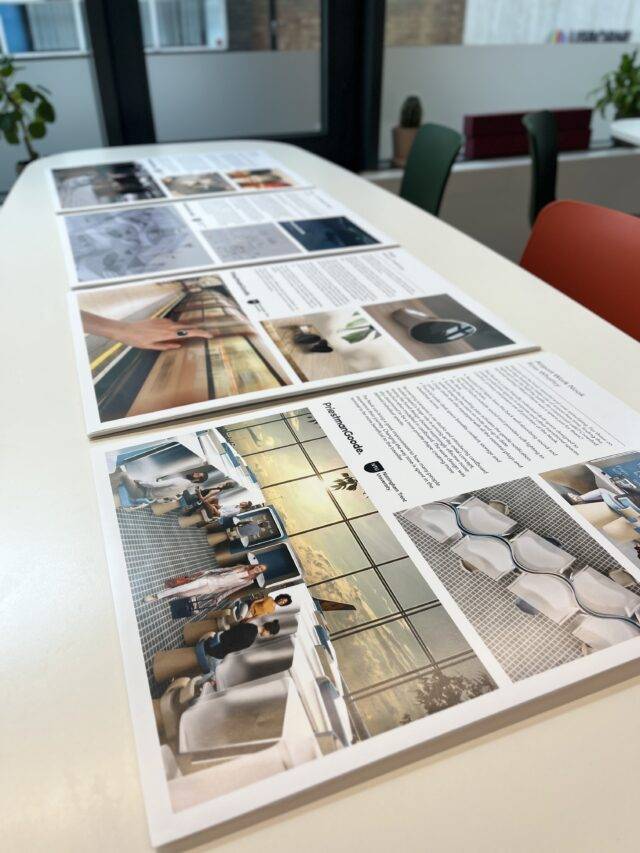
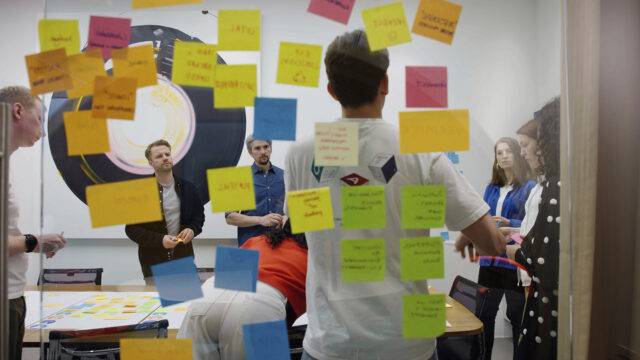
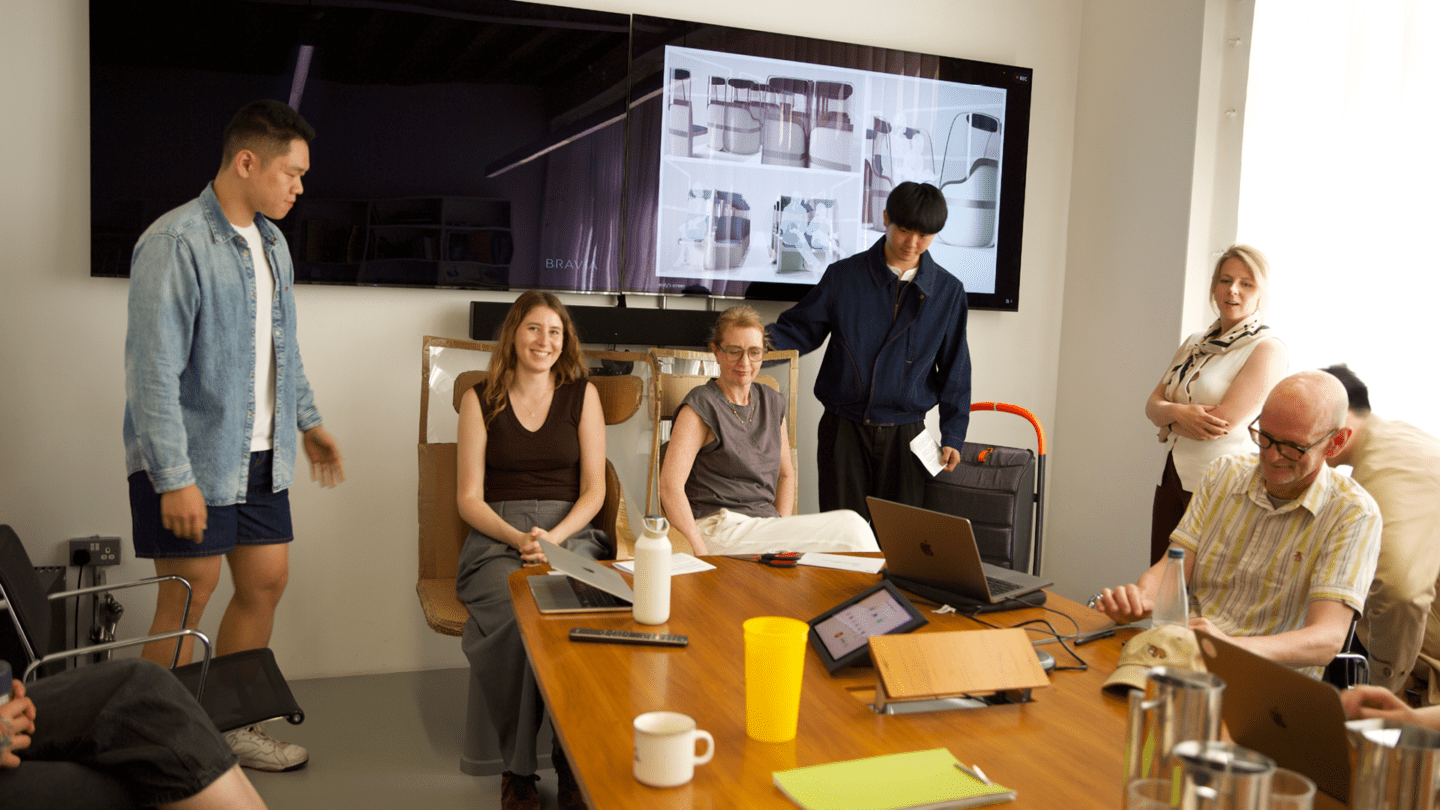
Building on the research we’ve undertaken at PriestmanGoode, alongside workshops we’ve run and insights we’ve collated through our campaign, we know that women are travelling under a constant state of vigilance, adapting their own behaviour create a feeling of safety. This highlights a need to rethink what safe spaces on public transport look and feel like. It was against this backdrop that our team set CSM’s MA Industrial Design students the challenge of applying design research to understand the lived experience of women travelling by train, and to translate the insights into a new or improved touchpoint. Working in groups, students spent several weeks building empathy with their audience, testing early ideas directly on the Tube and at stations, and refining their proposals through prototyping and feedback, before pitching their final concepts to a panel of PriestmanGoode designers in June.
The shortlisted concepts
From the university, three teams were shortlisted for their final concepts, alongside a standout individual contribution recognised with an internship offer.
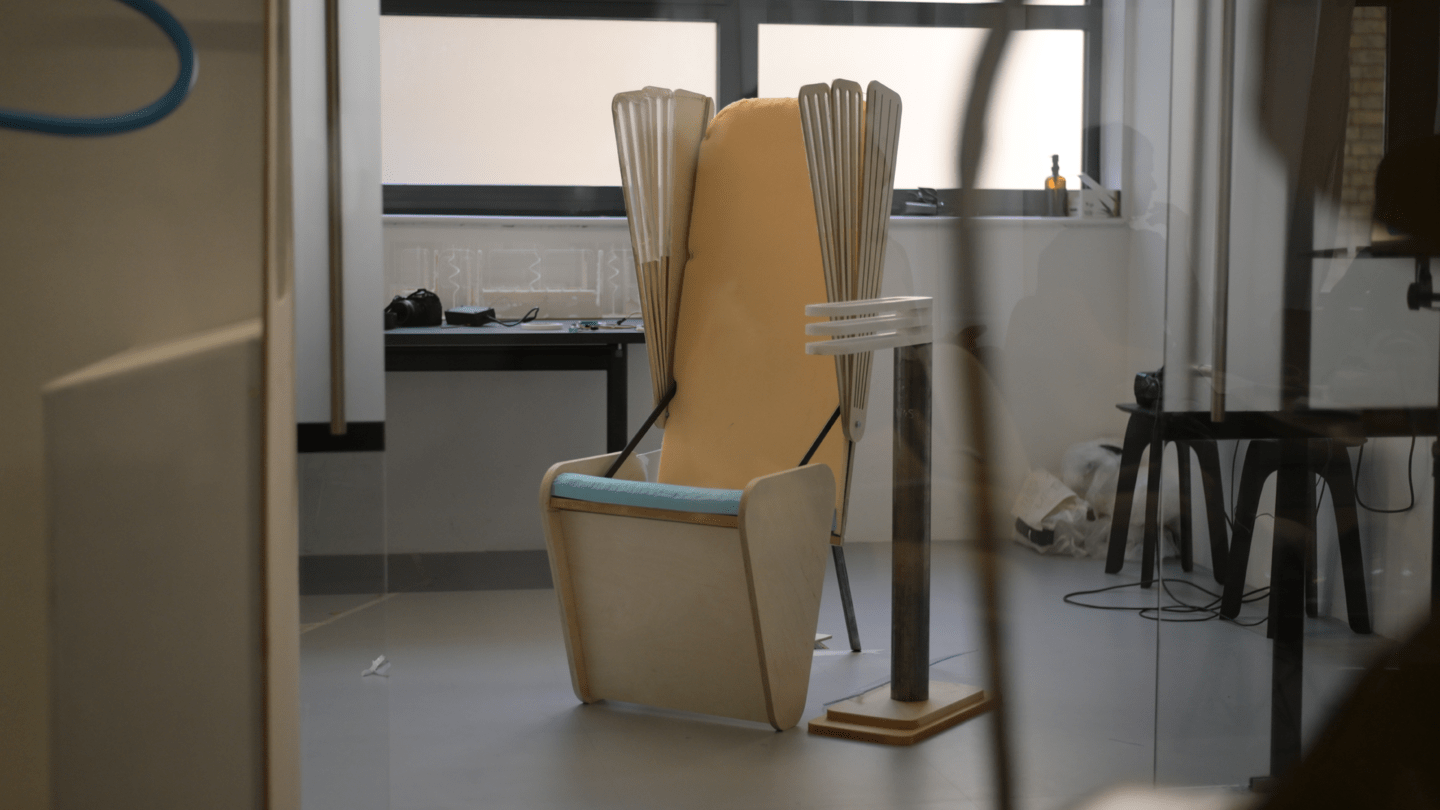
Spatial Ambiguity: Chair & Grip Pole Concept
Patrick Fulton, Yuksau Wong, Kamil Karimov, Teresa Lopez Casaseca
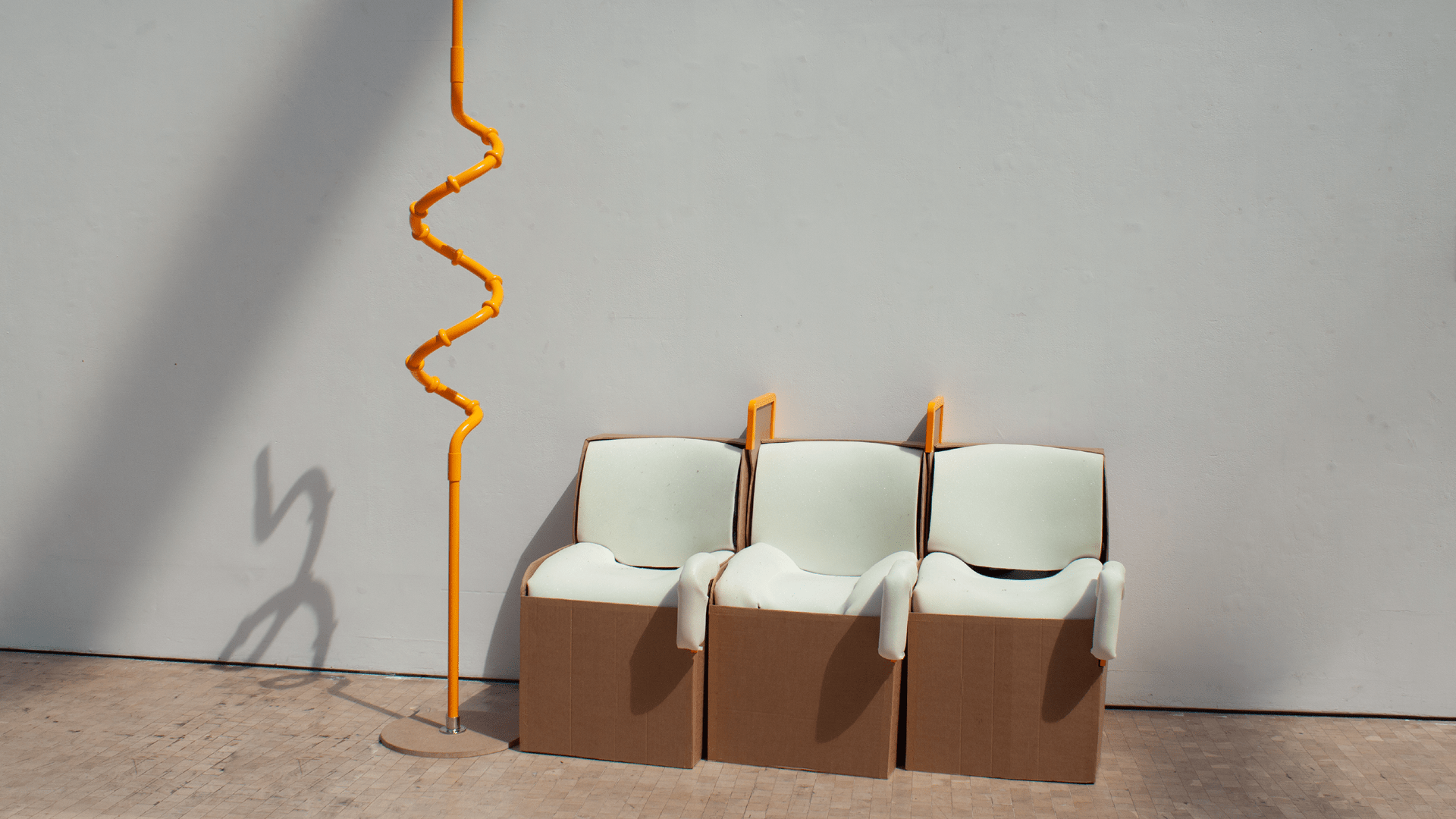
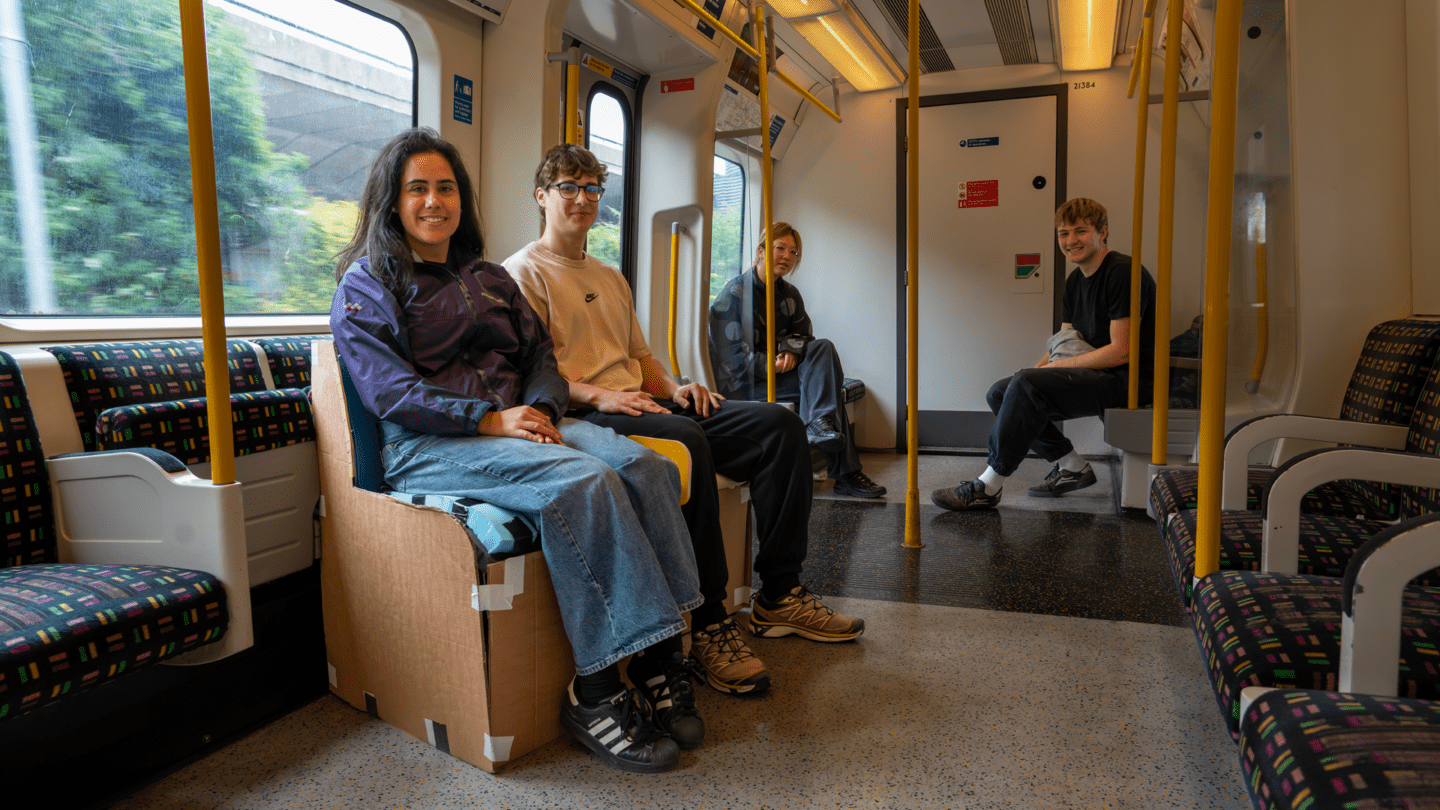
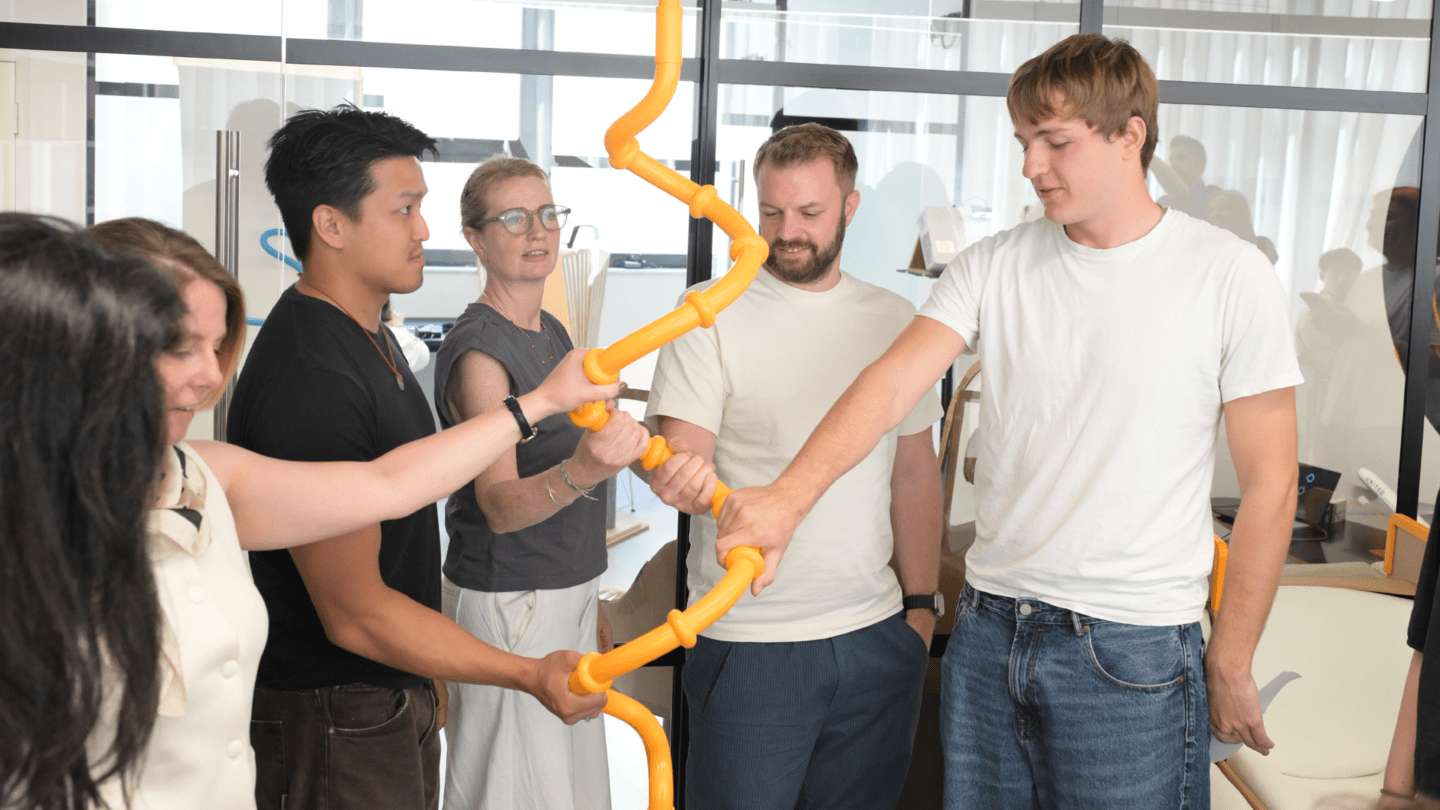
This team investigated how the ambiguous, shared spaces of the Tube carriage, including shared grip points, undefined standing zones and conventional seating can make breaches of personal space difficult to judge.. Through multiple rounds of testing with cardboard seating mock-ups and prototype grip poles, the team developed a redesigned angled seat and spiral pole concept intended to reduce the spatial ambiguity that allows harassment to go unnoticed or unchallenged. The concept instead gives each passenger a greater sense of personal space, clearly defining where one person’s space ends and another’s begins.
Olie
Sakshi Kalekar, Nakshatra Premkumar, Sky Feng
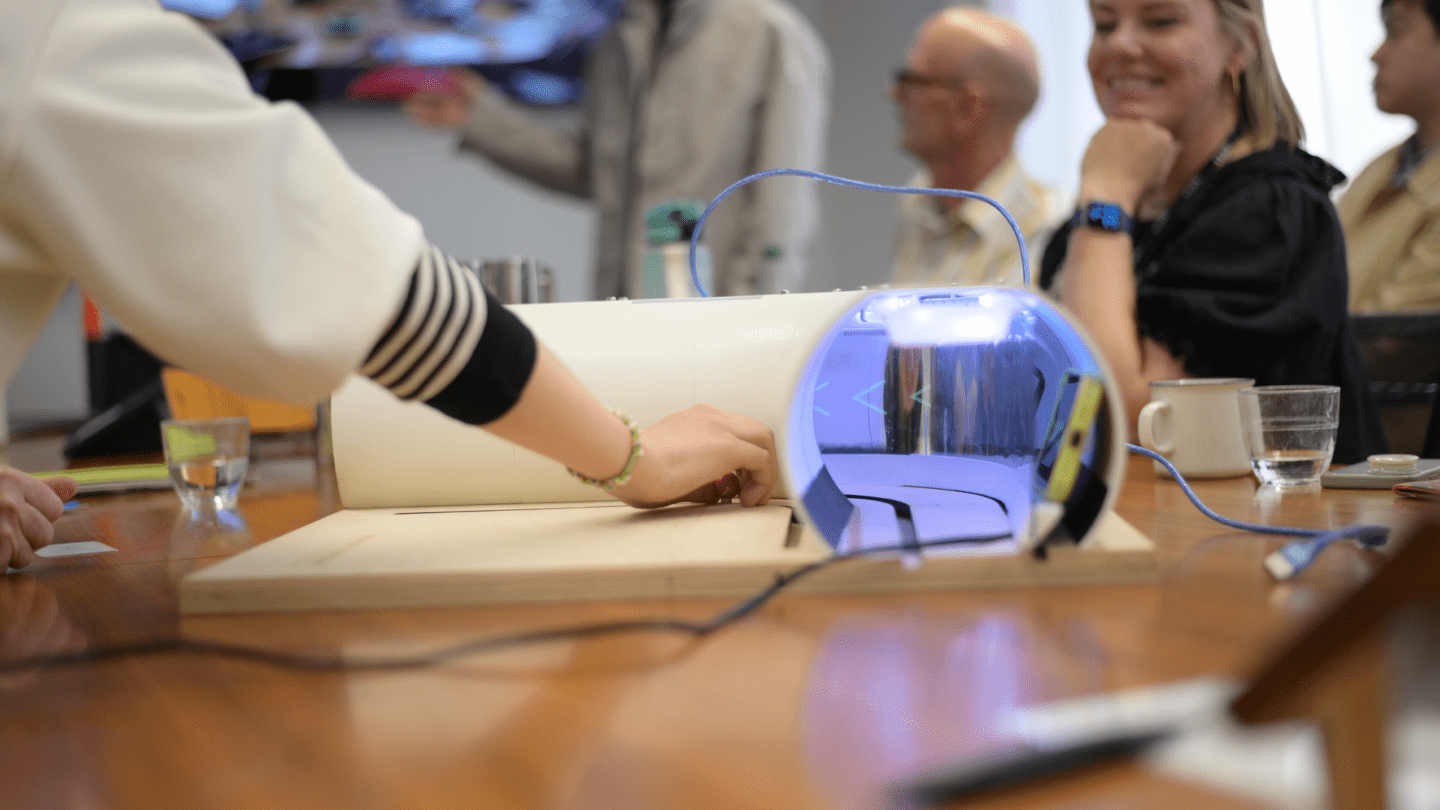
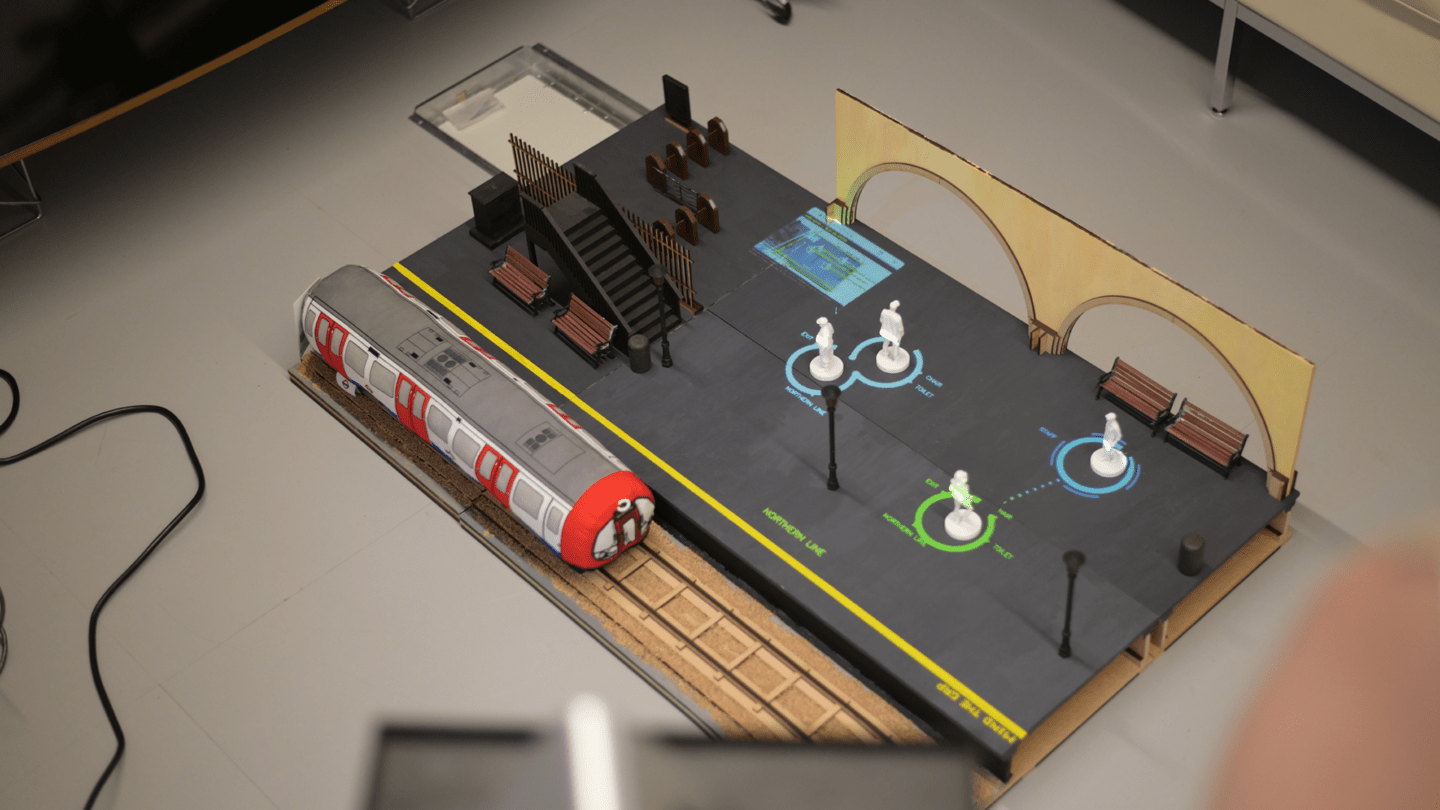
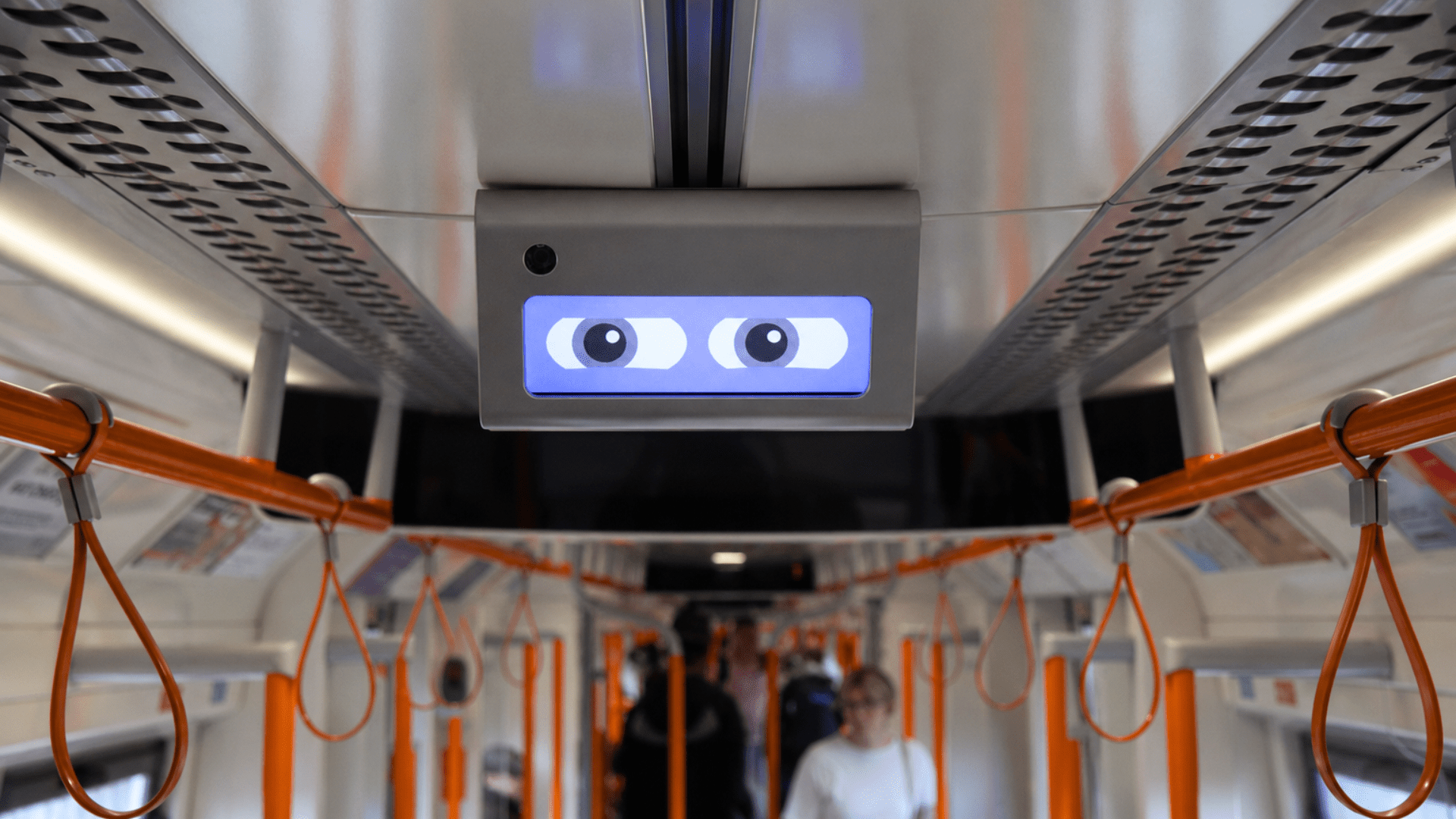
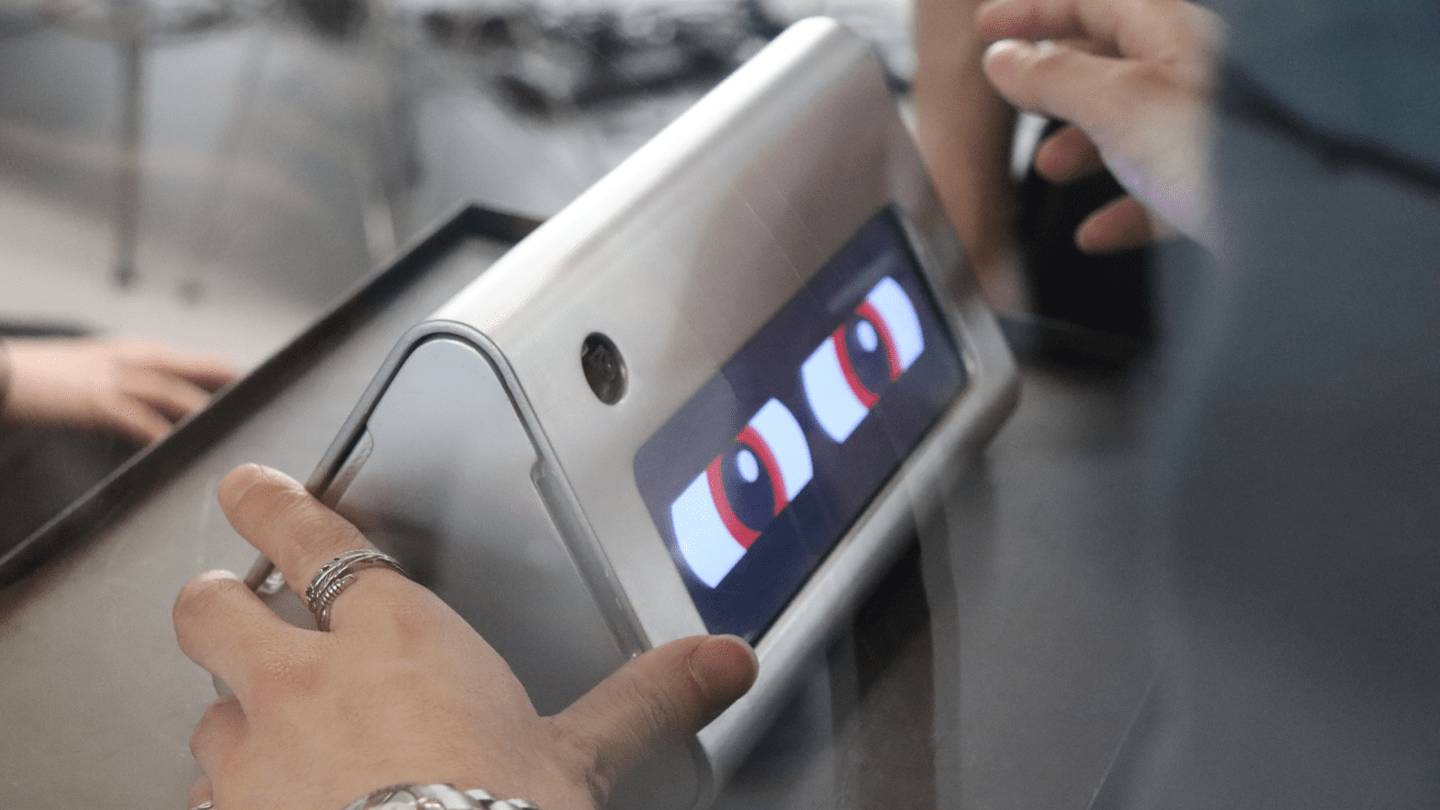
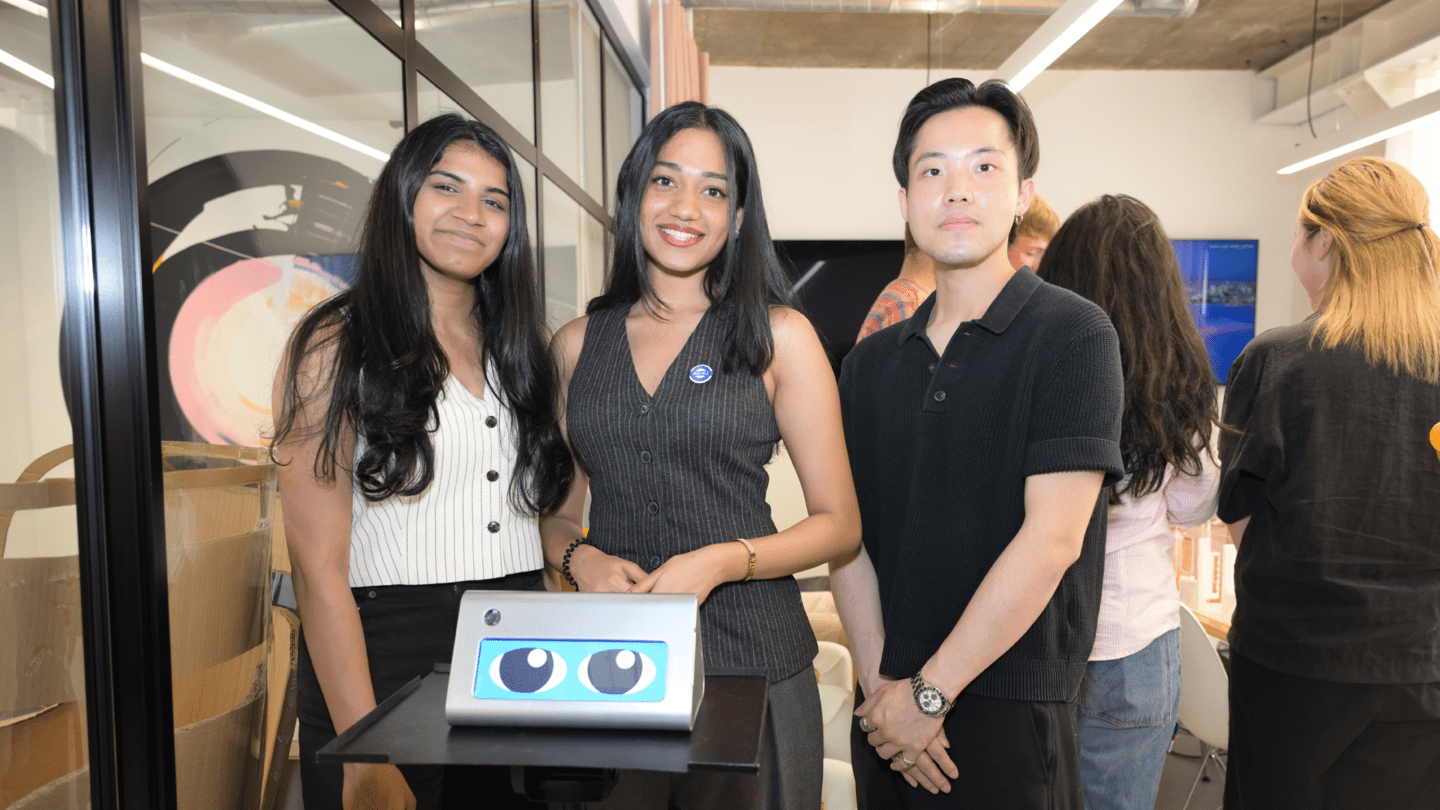
Framed around the insight that “visibility protects, invisibility enables,” this team designed Olie, a friendly, visible surveillance device and character for carriages and platforms that makes observation active and known rather than hidden, paired with an SOS app allowing passengers to alert fellow travellers and staff discreetly if they feel unsafe. The concept extends into a wider campaign, “Olie is watching, be mindful,” using simple, characterful eye motifs across posters and screens to deter perpetrators, encourage bystander support and reassure passengers.
Care Lines
Ziyan Niu, Rachael Kim, Ornella Romagnoli
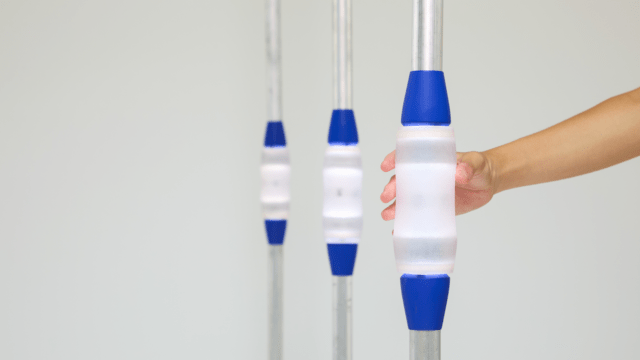
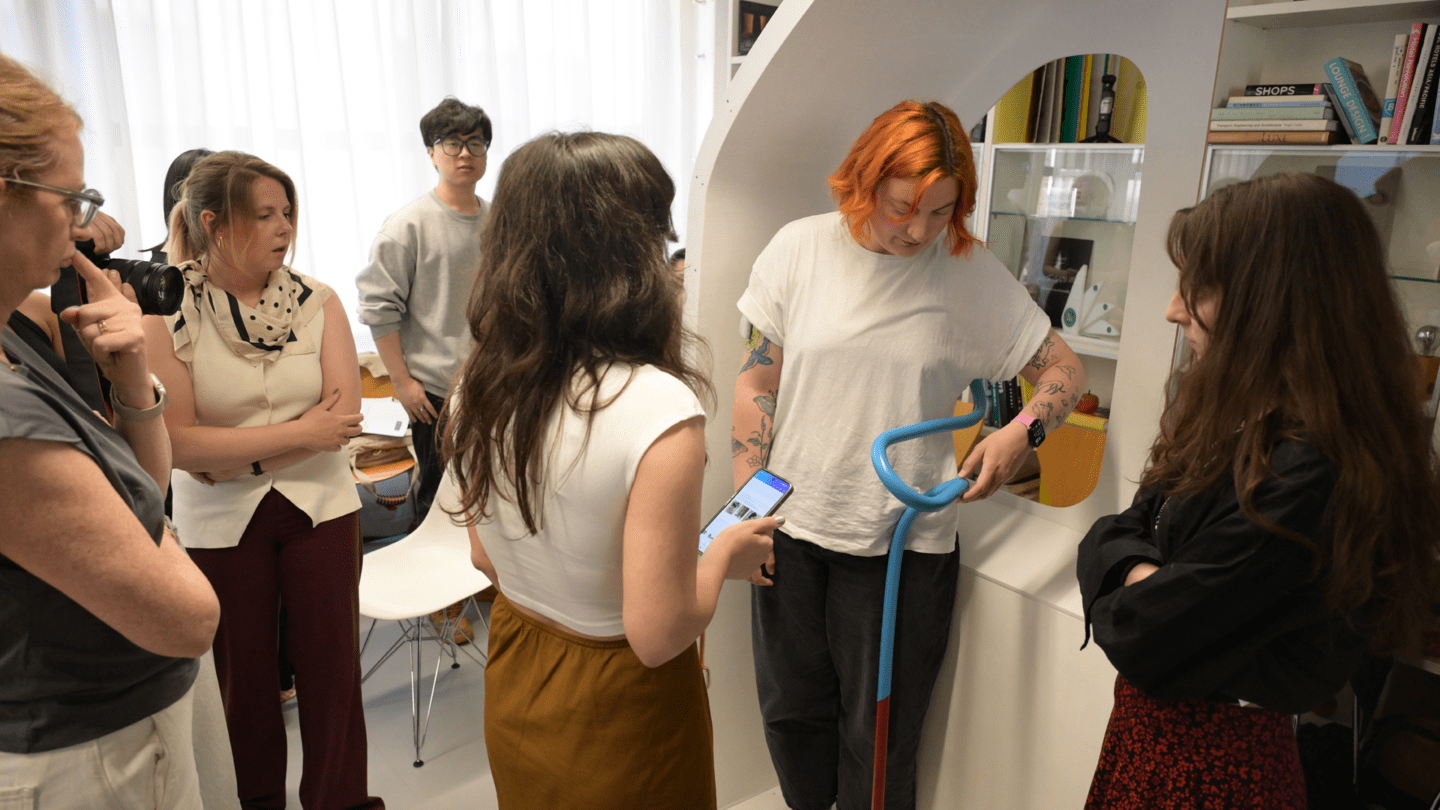
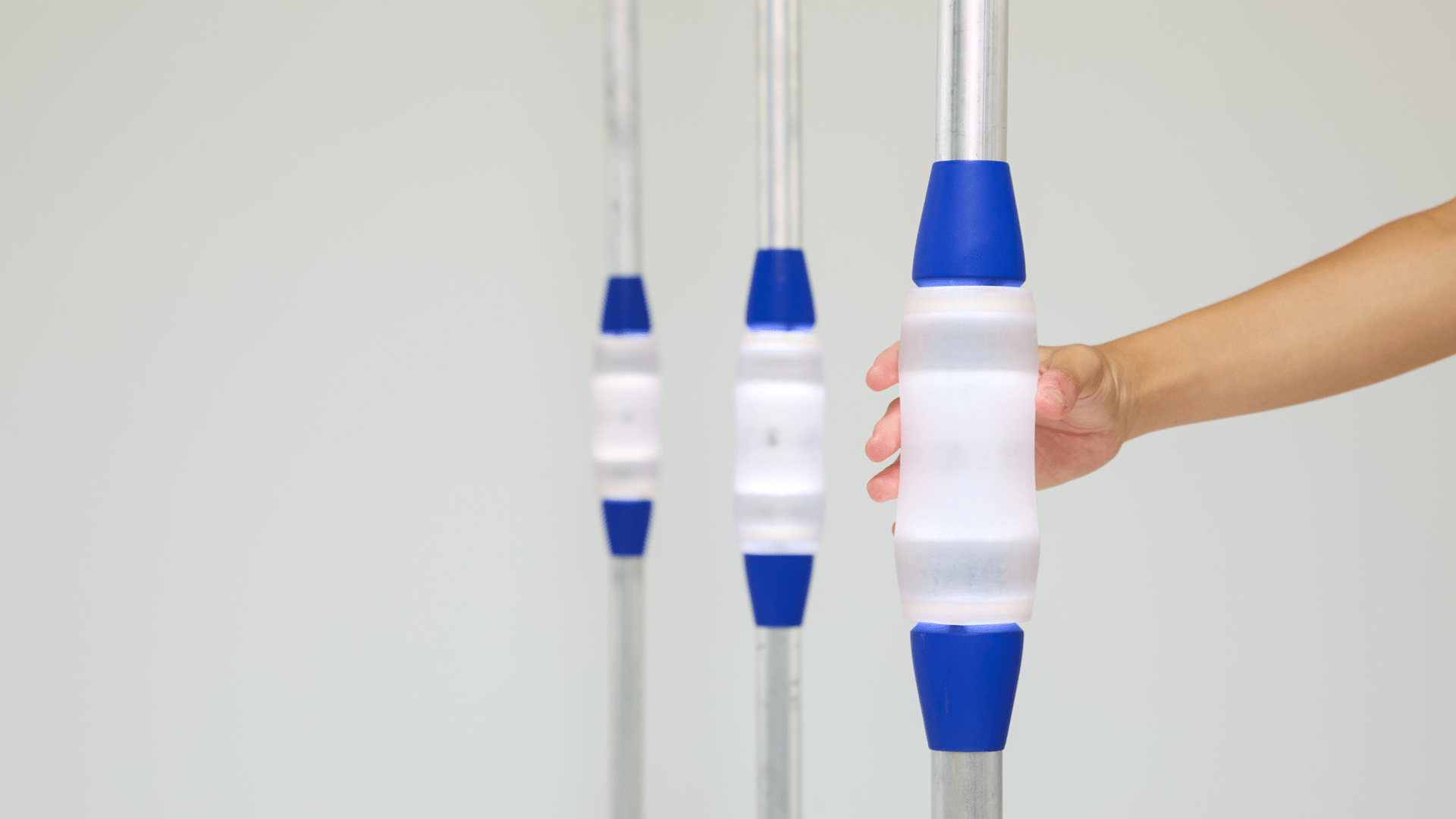
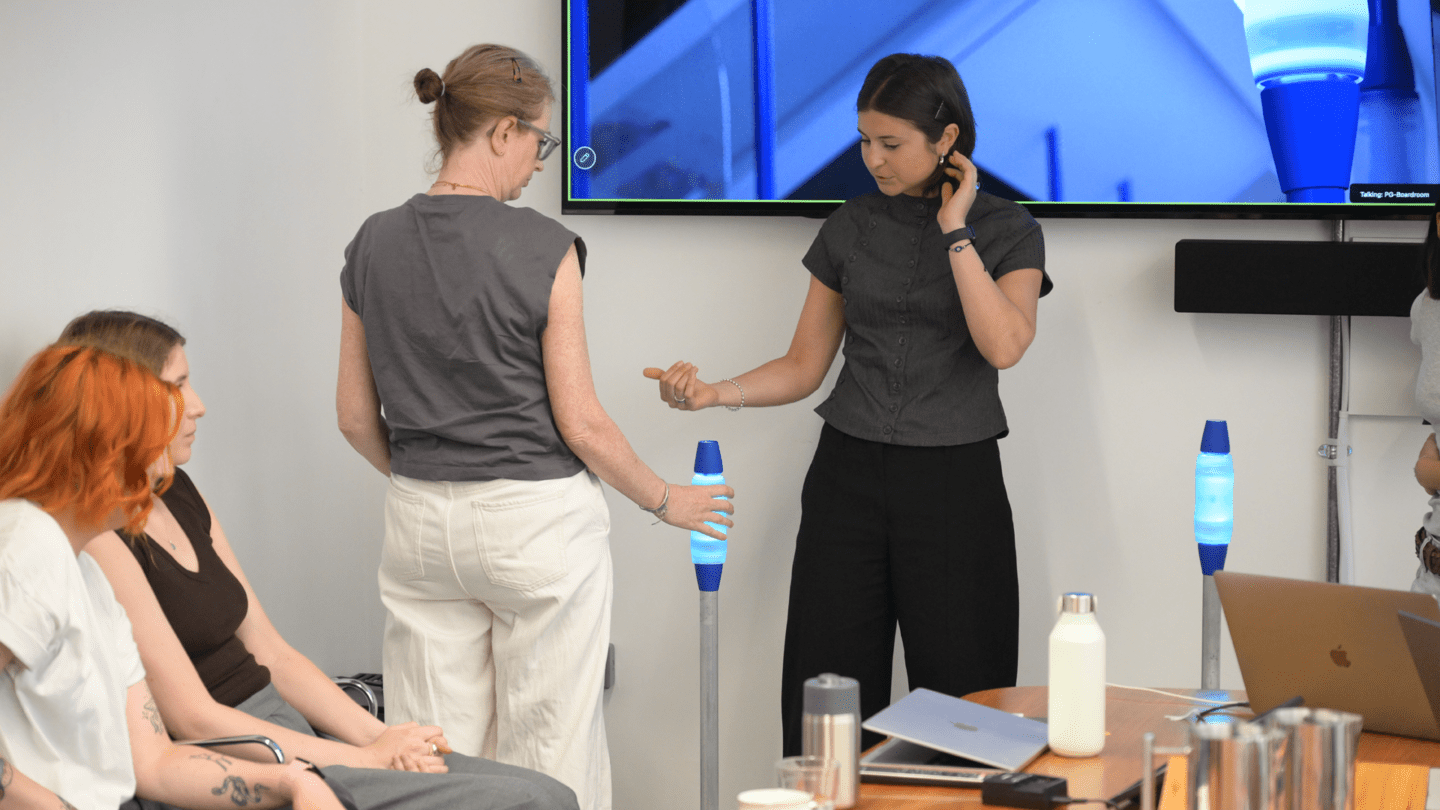
Care Lines reframes safety not as the absence of threat but as “the presence of believable support.” The team mapped a shared care language across the whole rail journey, using light, material, information and human presence to make support feel visible before danger escalates. Their focus concept, the Carriage Care System, is a discreet squeeze-activated care point built into the carriage pole, connecting passengers directly to staff and displaying a clear response status to “make believable support tangible”.
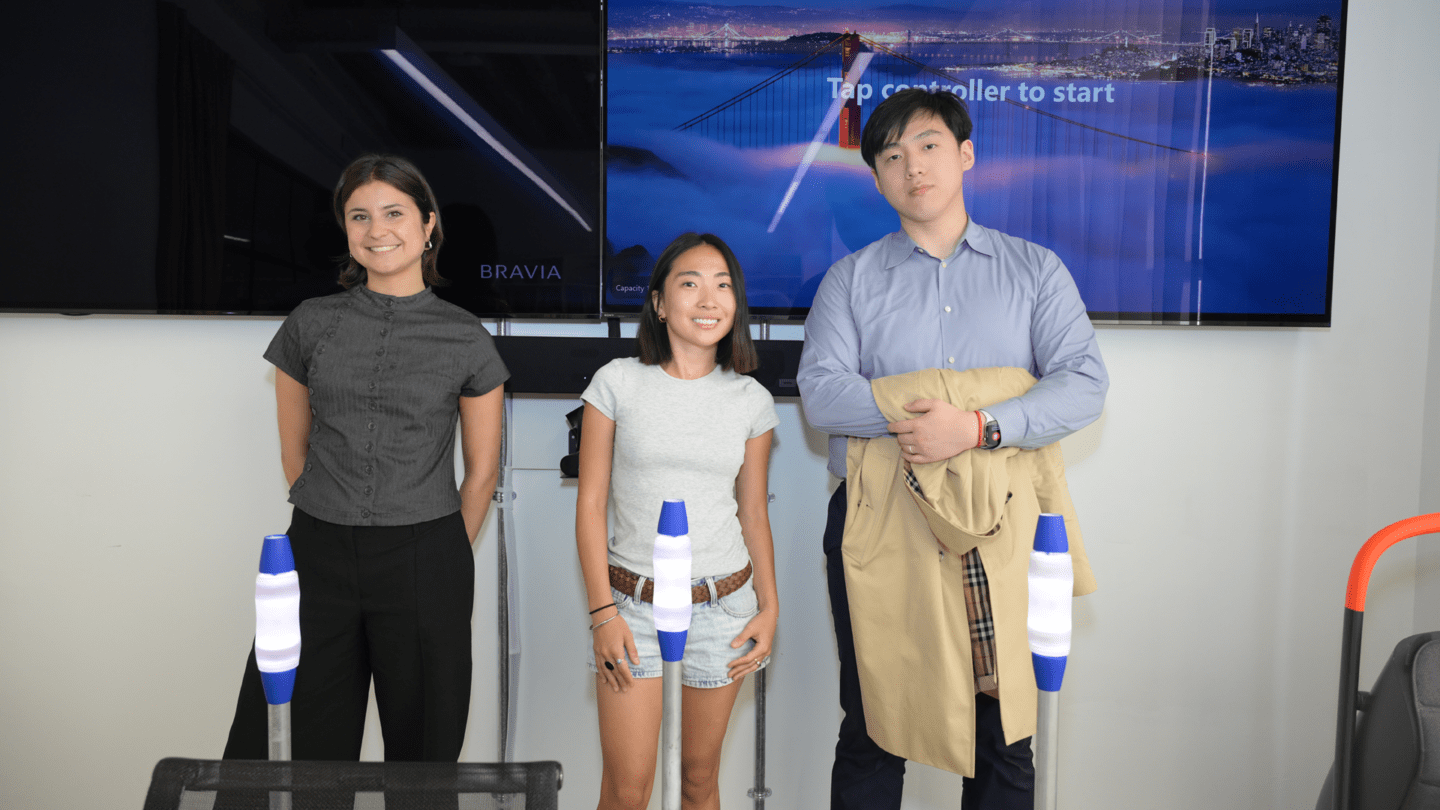
Selected intern: Ornella Romagnoli, from the Care Lines team, has been offered an internship with PriestmanGoode in recognition of her contribution to the project. Ornella will be continuing to work with us on our Women’s Safety in Rail campaign during her internship, expanding on the research to explore ideas across the wider passenger journey.
Watching the students take on feedback and grow in confidence over the course of the project was, for the PriestmanGoode team, “a powerful reminder of the responsibility and privilege of supporting the next generation of designers.” This project forms part of PriestmanGoode’s ongoing commitment to supporting design education, and to working with emerging talent to tackle some of the most complex challenges facing the future of travel.