Shy Tech and the Future of Passenger Experience
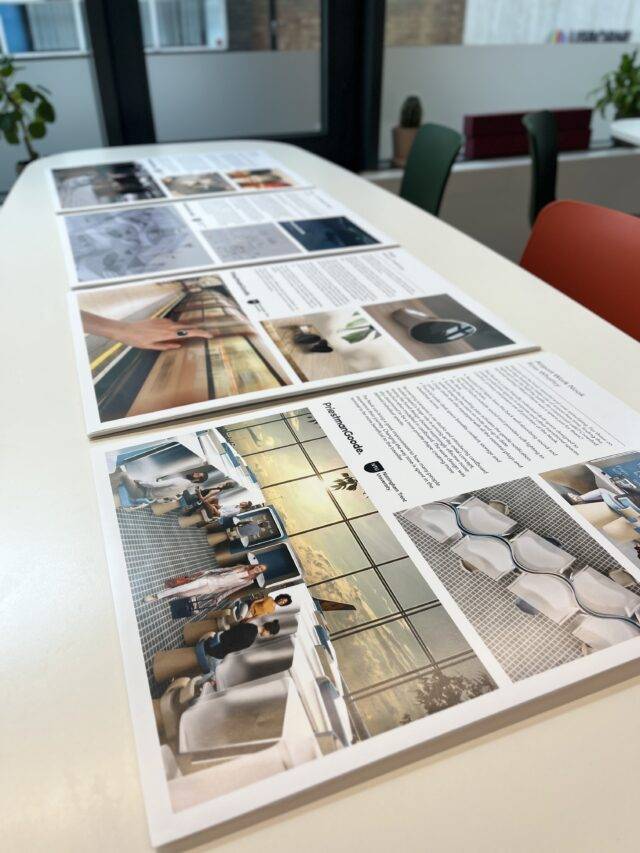
AIX confirmed what we have long believed at PriestmanGoode, the future of cabin design is quiet, responsive, and deeply human.
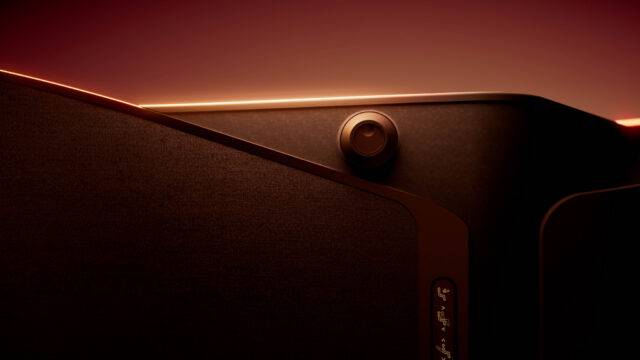
‘Shy Tech’ is a design technique in which technology remains invisible until needed or activated. Increasingly, there is a shift in expectation for our tech to be seamless, personal and intuitive. Shy Tech serves as a counter-movement away from those intrusive tech drenched environments, towards a longed for naturalness and stillness, in which passengers can find respite. This technique has already become commonplace amongst automotive, home and office design.
What AIX made clear is that the industry is moving in a direction PriestmanGoode has been designing towards for years; for flying to be an opportunity to decompress and recharge. This means creating a personalised sanctuary through the chosen materials and technology that can enable a feeling of wellness and calm.
At PriestmanGoode, our work is guided by three core ambitions: to make future experiences smarter, greener, and better. Our findings at AIX reinforce what our own work has shown: Shy Tech is the approach with the power to deliver experiences that are more connected, more sustainable, and more inclusive. These are three key areas of opportunity for PriestmanGoode to embed Shy Tech into our aviation projects:
Personalised
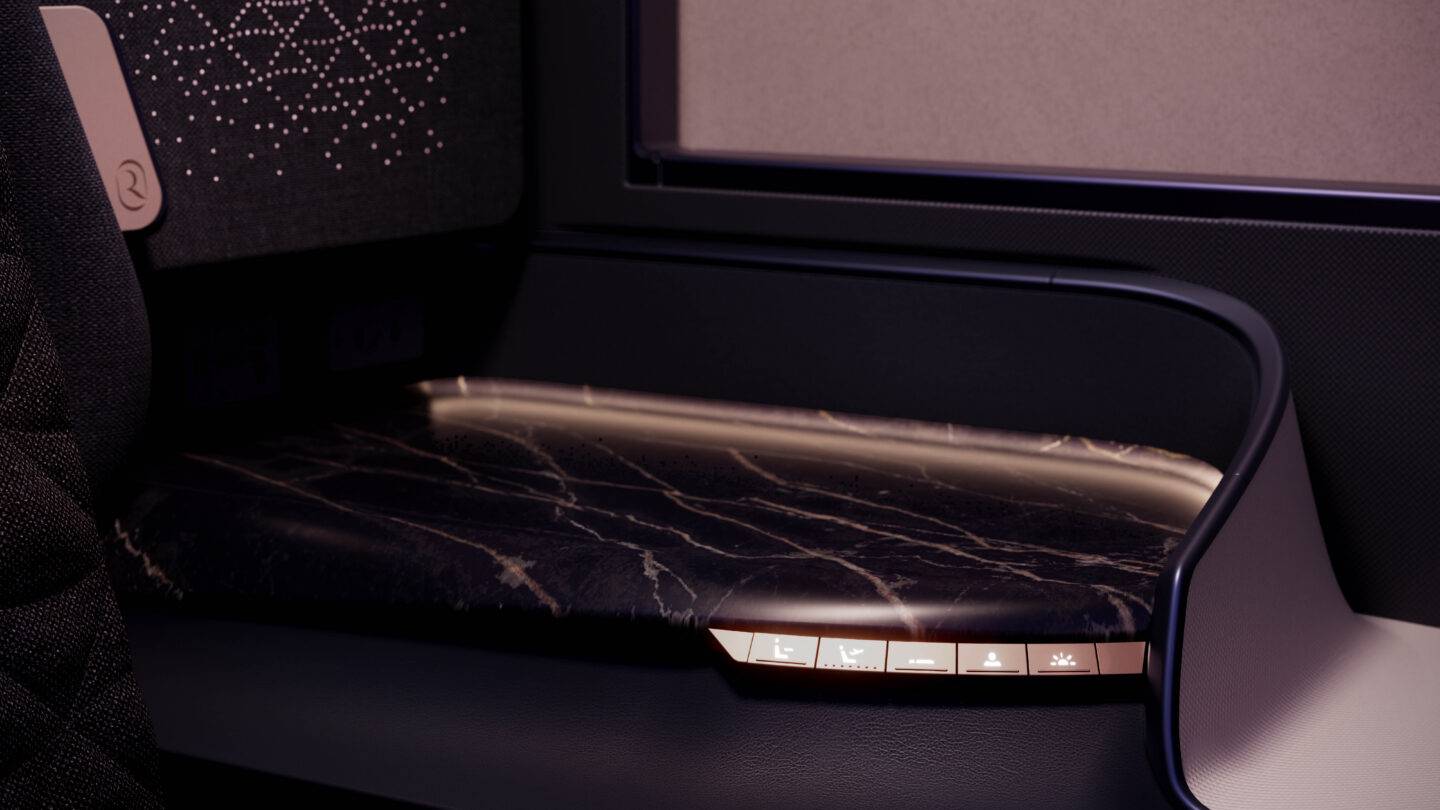
Shy Tech affords the opportunity for spaces to become personalised to each individual’s needs and habits, transforming environments into “sanctuaries” for passengers, rather than impersonal spaces. One of the techniques Shy Tech uses to achieve this is through timely reveals with the aid of AI integration to reveal certain information or features in the cabin. Displays can be customised to only reveal relevant information based on the situation, which can prevent sensory overload. Functionally, smart surfaces can choose when to display information or announcements, and when to reveal certain controls to enable a seamless, calm experience for the passenger.
Crucially, this embedded technology is both responsive and anticipatory. Therefore it’s not just the passengers who can benefit from this shift in technology, but also the crew. Shy Tech works behind the scenes to support a smoother service, which can understand and anticipate passenger needs. For instance, the changing of ambiance and lighting when a passenger has fallen asleep, highlighting when a passenger has left their luggage in stowage, or alerting crew that a drink needs refilling. Adaptive spaces can tailor and customise their environments for the specific user, making a suite, seat, or cabin personalisable and interactive.
Sustainable
Sustainability is a key pillar of our work at PriestmanGoode, and Shy Tech is, by its nature, a more sustainable design approach, one that has the opportunity to reduce waste from energy consumption to physical materials.
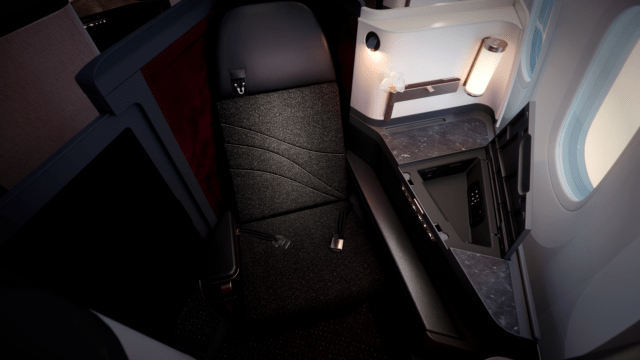
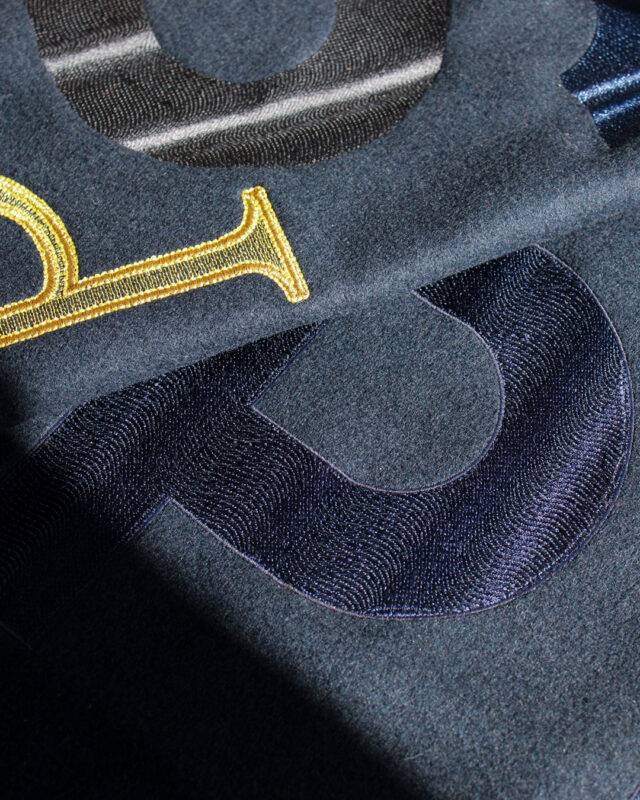
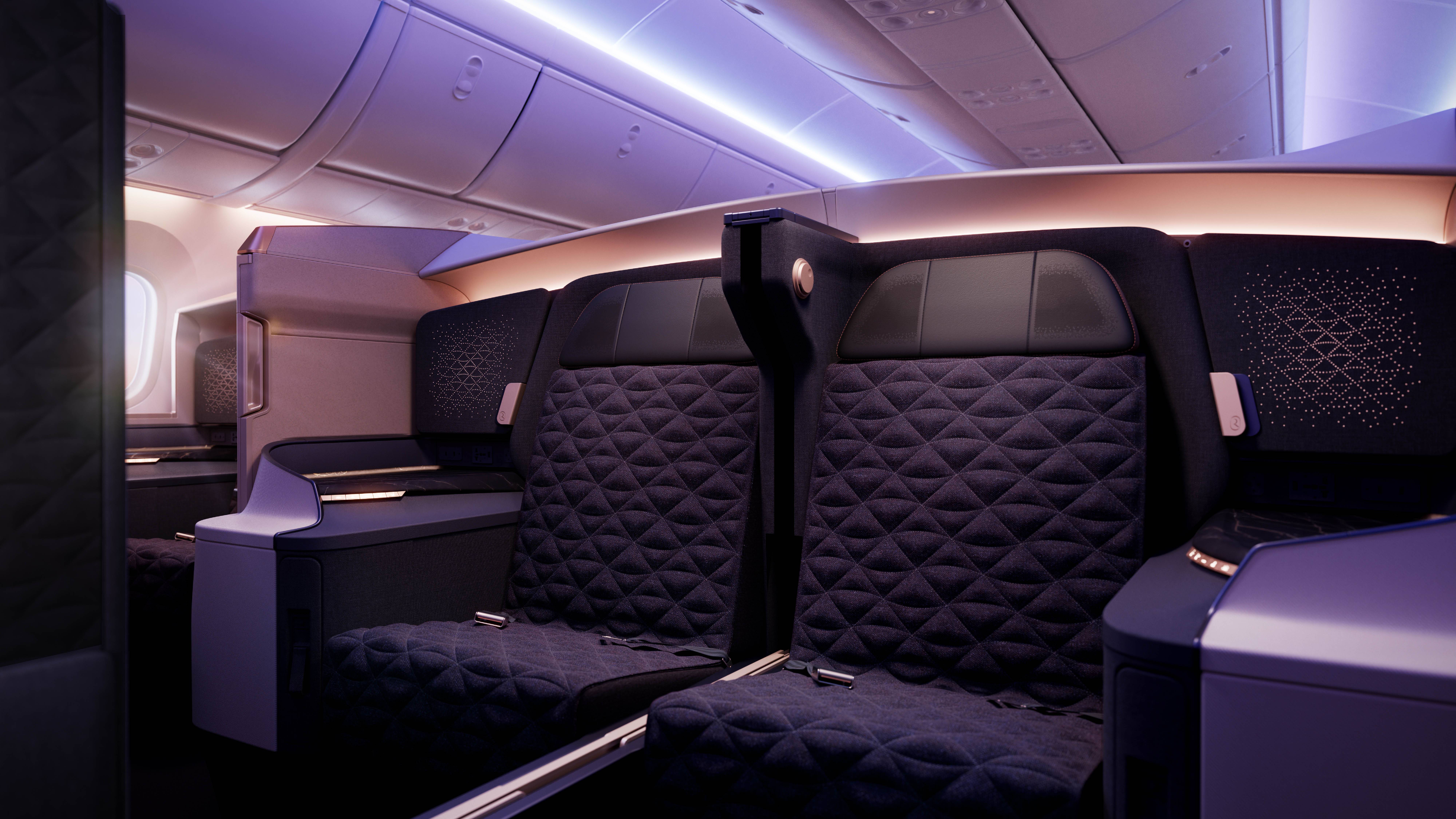
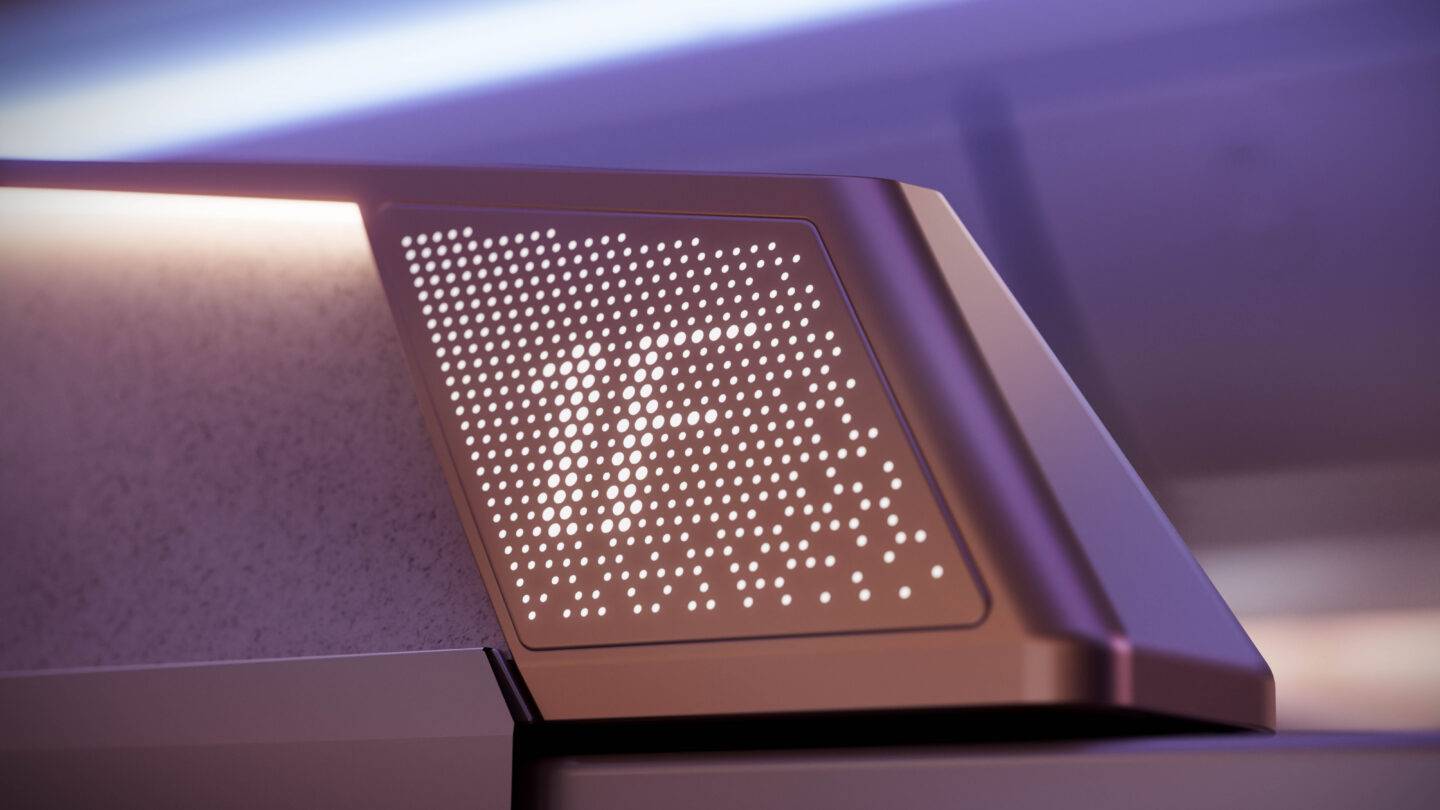
Our work on Riyadh Air demonstrates this directly. Integrated patterned lighting varies throughout the cabin and can be updated and altered as the airline evolves, making a visual refresh a software change rather than a refit. This kind of virtual branding has the potential to become the new standard, when technology is embedded rather than applied, it can be adapted without waste, without replacement, and without the environmental cost of a full interior overhaul.
The same principle applies at the passenger level. Technology that responds and adapts to behaviour; dimming when a passenger sleeps, adjusting when they read eliminates the energy waste of systems running at full capacity regardless of need. Shy Tech doesn’t just reduce the visual noise of a cabin. It helps to reduce its footprint too.
For airlines navigating increasingly urgent sustainability targets, this is not a marginal gain. Embedding responsive, adaptable technology from the outset means designing interiors that are built to evolve rather than be replaced, and that is a fundamental shift in how we think about the lifecycle of a cabin
Inclusive
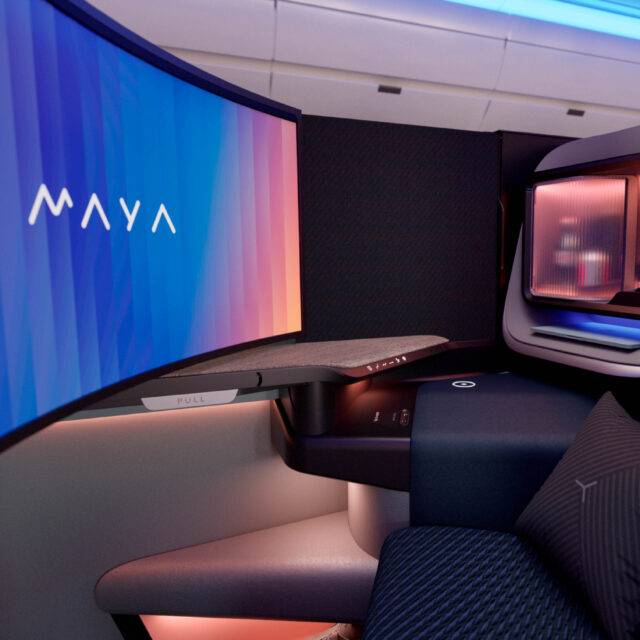
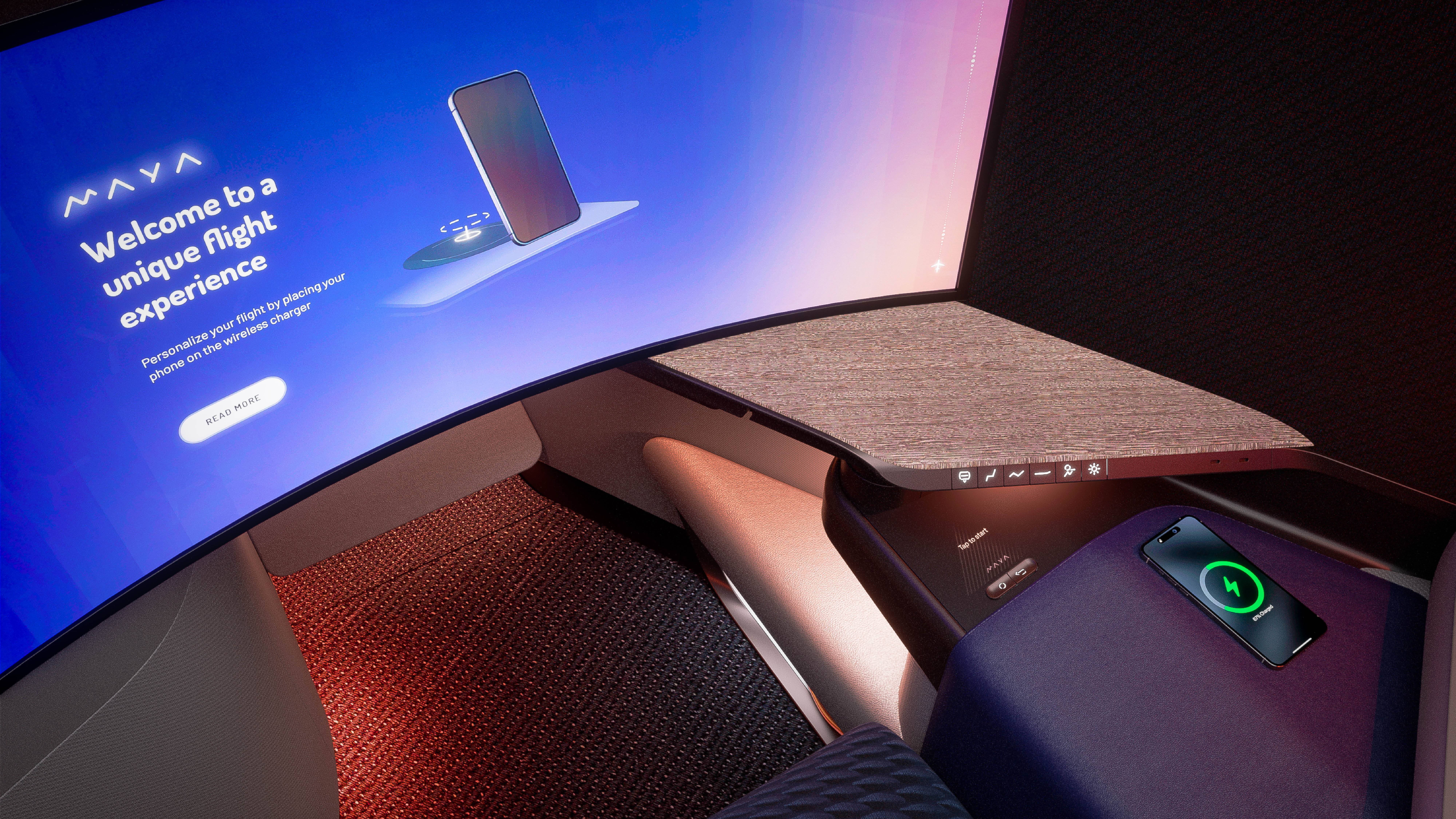
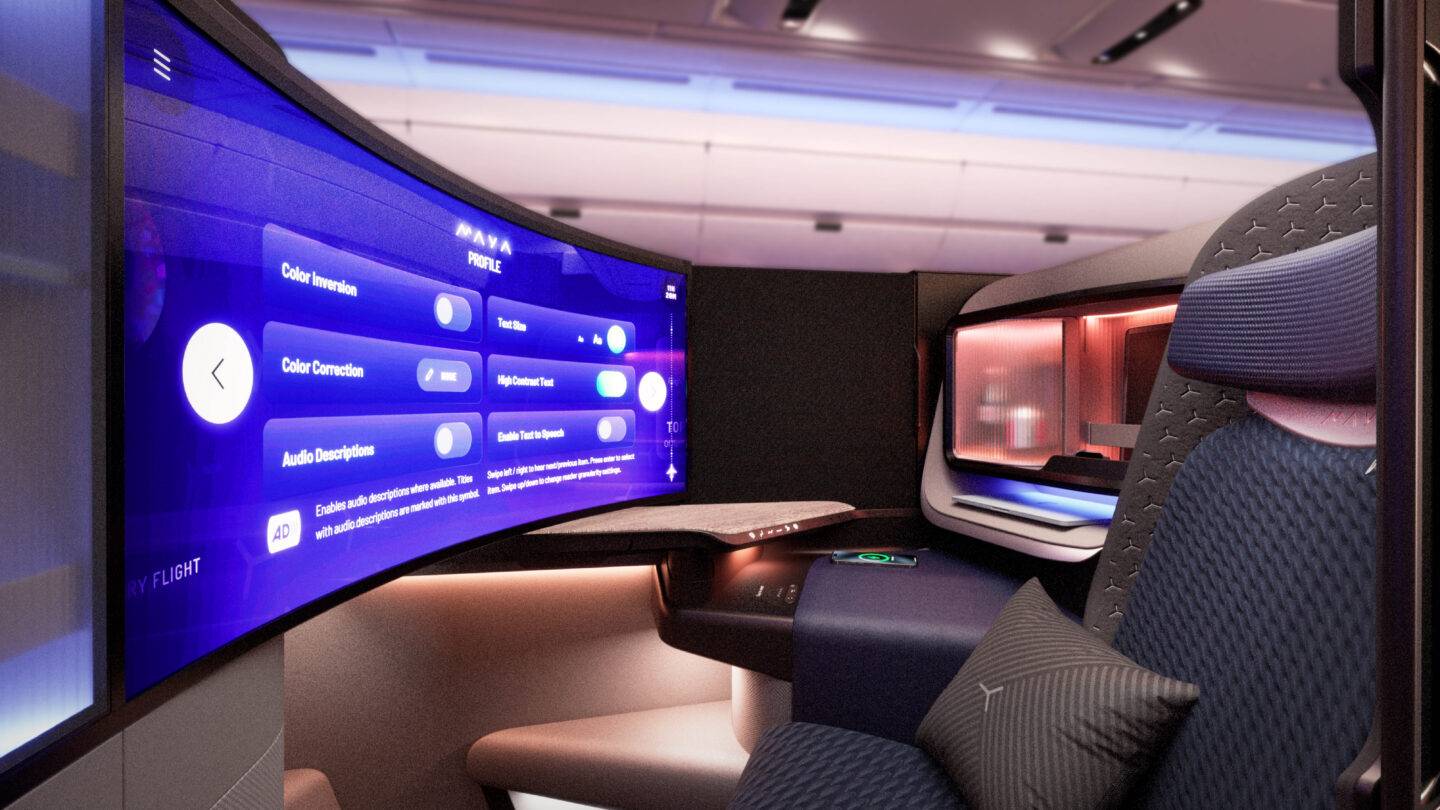
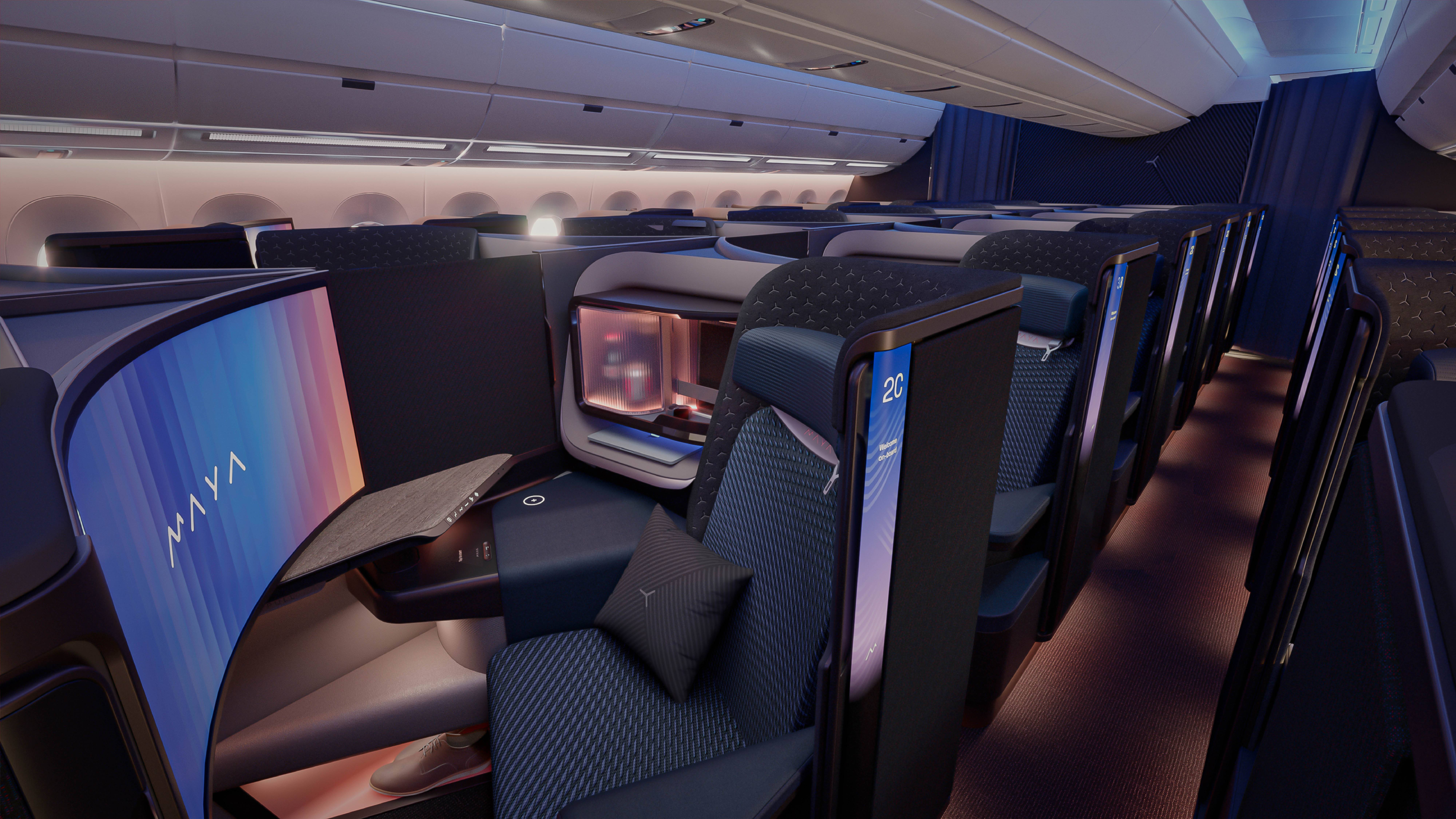
In essence, Shy Tech moves away from “technology for technology’s sake” towards a more human centred approach that ensures digital tools are supportive of independence, rather than a barrier. One of the most promising aspects of Shy Tech is its potential to actively support passenger wellbeing across the full spectrum of human needs. At PriestmanGoode, wellbeing means creating spaces that are inclusive of passengers’ diverse needs. MAYA (Most Advanced Yet Achievable), is a next-generation business class suite and PriestmanGoode’s clearest expression of what Shy Tech can achieve when inclusion is treated as a design requirement, not an afterthought.
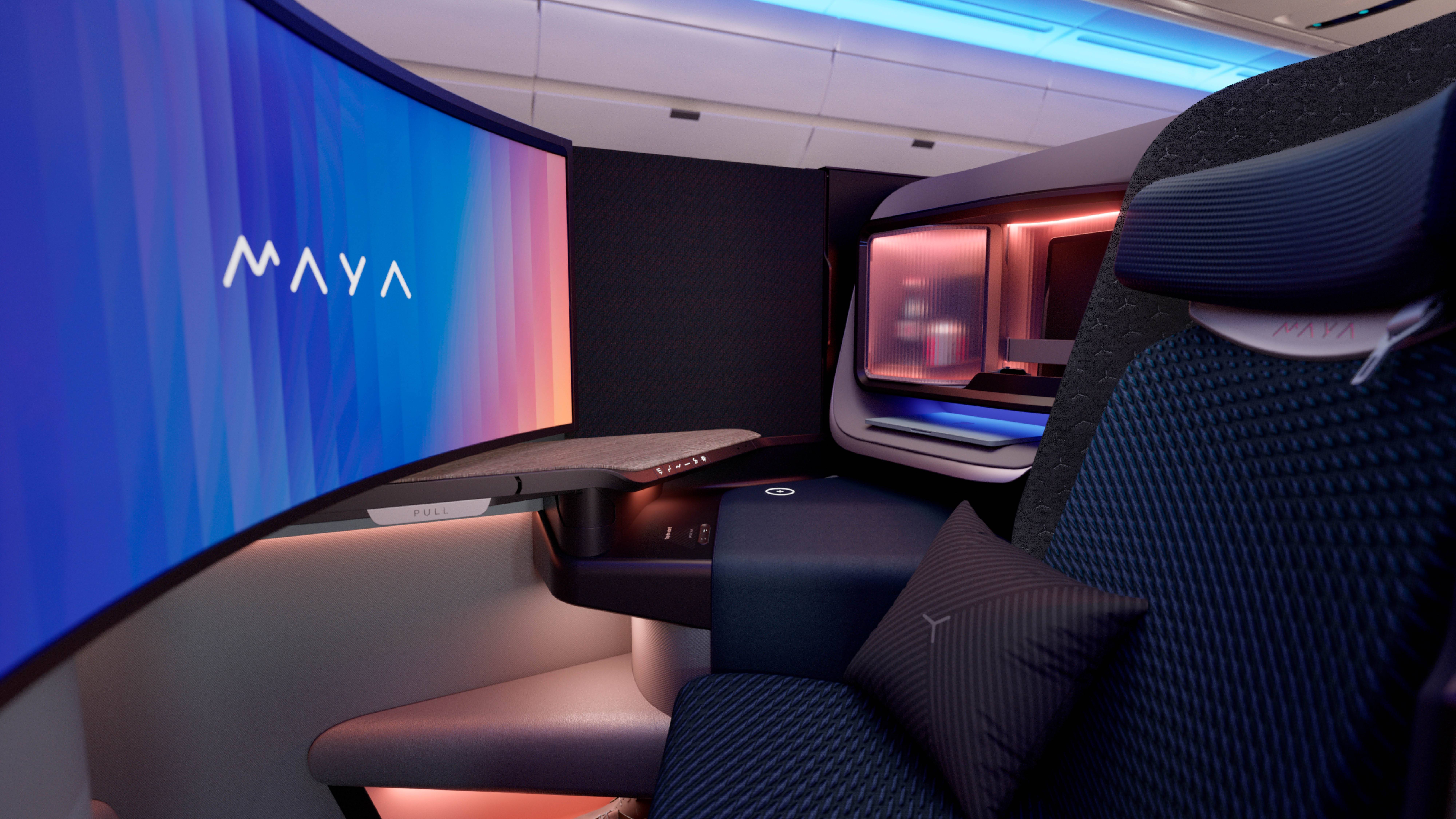
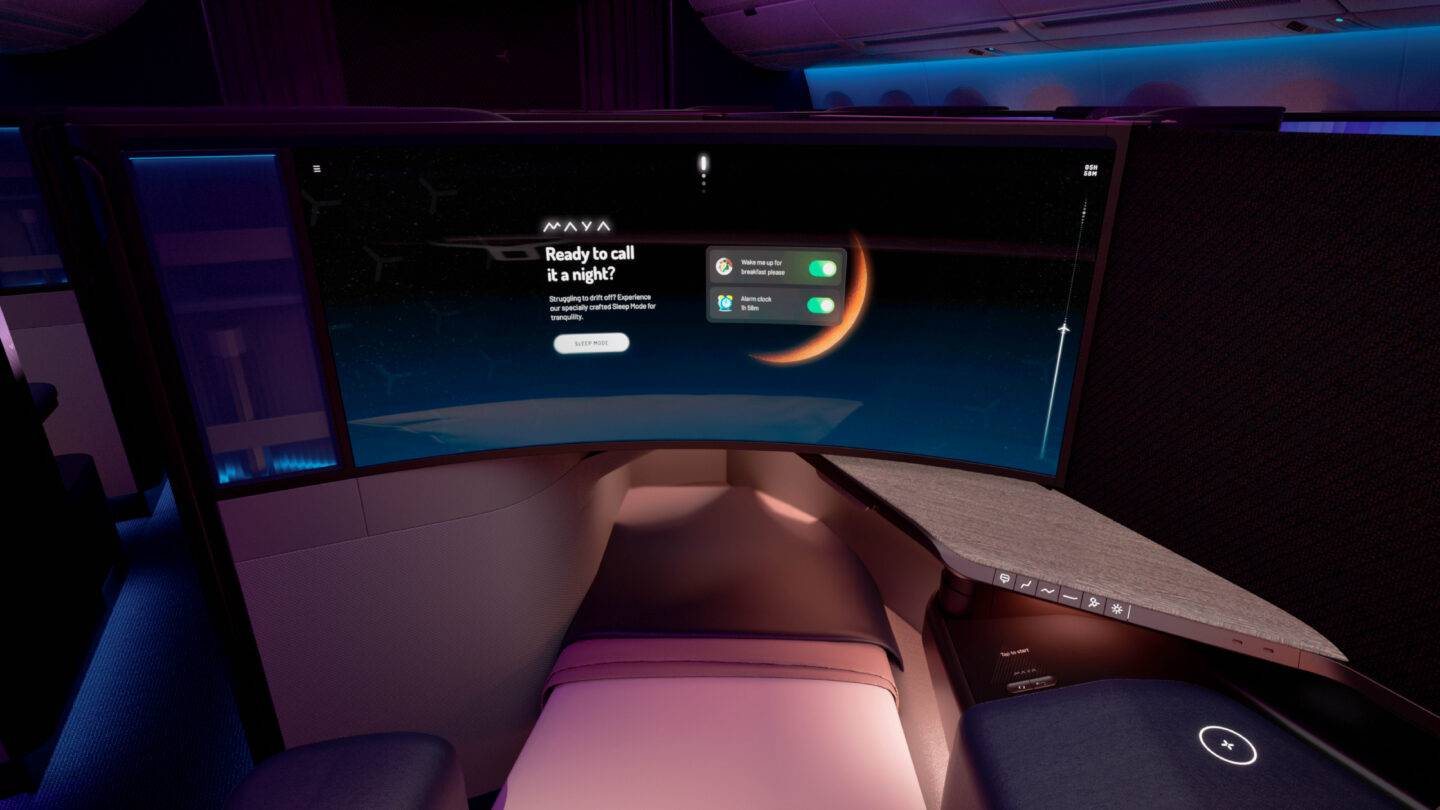
MAYA embeds Shy Tech into the cabin to create an experience that is flexible and adaptable to each passenger through personalisation such as seat haptics, noise dampening textiles and mood lighting. Through the integration of these innovations, MAYA works for everyone including those who feel anxious, stressed, or are enduring emotional changes spanning from autism and hidden disabilities, through to hormonal cycles.
MAYA enables a personalised service and journey through an interactive journey planner which provides choice of when to eat and a personalised rest schedule, all supported by ambience and complementary lighting echoing circadian rhythms. Among others, this is particularly beneficial to those needing a sense of control and predictability.
Shy Tech can harness multisensory experiences for all passengers. MAYA uses Shy Tech to provide elevated and multisensory comfort with embedded sensors and smart systems such as sound absorbing technology in padded headboards, or responsive and reactive temperature control with in seat heating and cooling to respond to passenger needs and behaviour.
Realising the full potential of Shy Tech is not without its challenges.
Embedding technology too seamlessly risks the experience becoming unnoticeable or unintuitive to certain users. The invisible nature of Shy Tech could result in frustration at the lack of autonomy offered, or the technology being entirely overlooked due to passengers’ unawareness of its presence in the first place. Unless the technology is carefully explained, Shy Tech stands the risk of alienating certain passengers rather than offering comfort.
Another consideration is the engineering and production cost. Developing, testing, and manufacturing materials that are both durable and semi-transparent is costly, which results in keeping this kind of technology exclusively in the luxury sector. Since one of the main attractions to Shy Tech is its ability to create inclusive spaces, its production expense may prohibit inclusive access across spaces and classes. Design considerations need to include accessible repairability in order for this type of technology to become wider integrated across spaces. These are challenges we are actively working to address, because the value of Shy Tech is only fully realised when it reaches beyond the premium cabin
Shy Tech is not a future ambition, it is a present capability, and one that PriestmanGoode is already putting to work. The cabin, suite and seat can become a responsive and anticipatory sanctuary for passengers to deliver a seamless travel experience. For brands, Shy Tech can offer brand expression that is both memorable, easily adaptable, and sustainable.
But we need to be smart about how we design and integrate this type of technology to ensure ease of use and accessibility to everyone. Technology needs to provide genuine benefits, not just adhering to aesthetics or trends. Shy tech needs to remain the support system for human touch and interaction, not a means to replace it. At PriestmanGoode, that is the standard we hold ourselves to, and the one we believe the industry must now rise to meet.